Thai ATM fees explained: the 220-baht charge and the DCC trap
Article updated: 2026-09-16
Best rate USD · Bangkok: 33.24 — Superrich Thailand — Headquarter Rajdamri 1 · Sep 20, 08:58 → Details
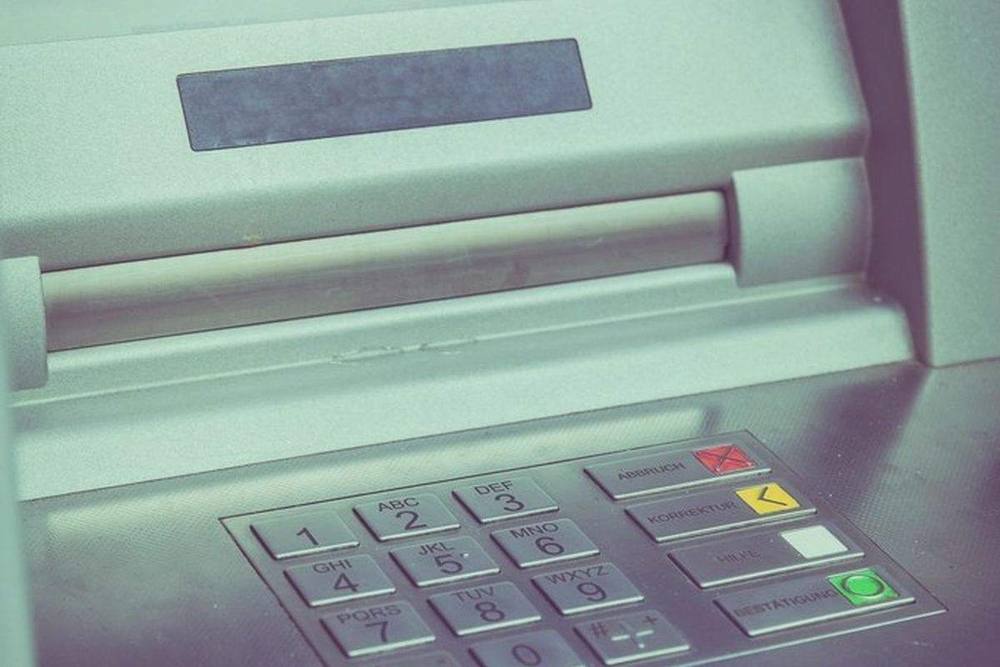
Thai ATMs charge foreign cards a flat fee of 220 baht per withdrawal. It is charged by the Thai bank operating the machine, it is on top of anything your own bank charges, and essentially every bank in the country applies it.
Because it is flat rather than a percentage, the size of your withdrawal changes everything.
| Withdrawal | 220 baht as a % |
|---|---|
| 5,000 baht | 4.4% |
| 10,000 baht | 2.2% |
| 20,000 baht | 1.1% |
| 30,000 baht | 0.7% |
Taking 5,000 baht four times costs 880 baht in fees. Taking 20,000 once costs 220.
Withdrawal limits
Most Thai ATMs cap a single withdrawal at 20,000–30,000 baht, though your own card’s daily limit may be lower. Machines at bank branches often allow more than the ones inside convenience stores.
The DCC trap
After you choose an amount, the screen will offer to charge you “in your home currency” and show a converted figure. Always decline and choose Thai baht.
This is dynamic currency conversion. The machine’s operator picks the exchange rate and adds a margin of typically 3–8%. Accepting it means paying that margin on top of the 220-baht fee. The offer is designed to look helpful — it shows you a familiar currency — and it is never in your favour.
The same offer appears on card terminals in shops and restaurants. The answer is the same: pay in baht.
When ATMs make sense
- You have run out of cash and the exchange shops are closed.
- You need a modest top-up and do not want to carry a large amount of cash.
- Your card refunds foreign ATM fees (some do; check before you travel).
When exchanging cash is better
For anything above roughly 10,000 baht, changing cash at a competitive shop beats the ATM. A good Bangkok shop sits within about 1% of the interbank rate, while the ATM costs you the 220-baht fee plus your own bank’s foreign transaction charge, which is often 1.5–3%.
The hybrid that works
Most experienced visitors do a mix: cash for markets, street food, taxis and small shops; a card such as WiseAd or Revolut for hotels, restaurants and malls; and the ATM only as an emergency backup, withdrawing a large amount once rather than small amounts repeatedly.