Lost or stolen card in Thailand: the first hour
Article updated: 2026-09-17
Best rate USD · Bangkok: 33.24 — Superrich Thailand — Headquarter Rajdamri 1 · Sep 20, 08:58 → Details
Losing a card abroad is mostly a logistics problem, and it becomes a money problem only if you handle the first hour badly. The order below is the order that matters: stop the loss, then get cash, then do the paperwork.
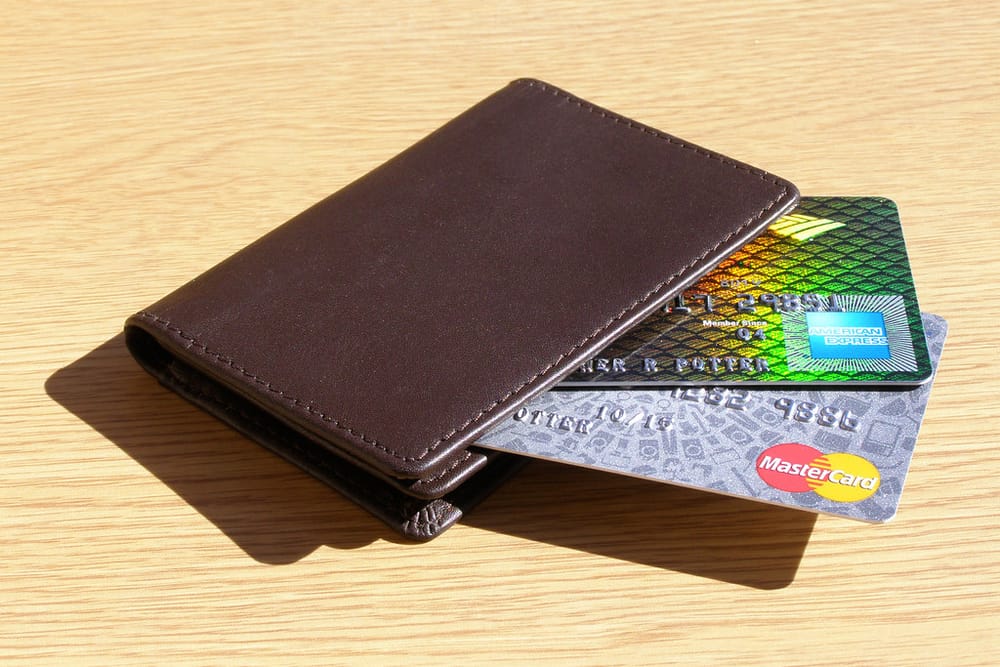
The first ten minutes
Freeze the card in the app. Nearly every card issuer now has a freeze or lock switch in its mobile app, and it takes seconds. A freeze is reversible, which matters more than people expect — a surprising share of “lost” cards turn up in the other pocket within the hour. Freeze first, cancel later.
If you have no app, call the issuer’s emergency number. It is printed on the back of the card, which you no longer have, which is exactly why you should have it saved in your phone before you travel. Most issuers publish a collect-call number that works from abroad.
Check the transaction list before you do anything else. If there are charges you do not recognise, the card is being used and this is a fraud case, not a mislaid-card case. Say so explicitly when you report it, because it changes how the issuer handles it and starts the chargeback clock.
Freeze the card, not the account, if you can. You may still want the account to function for a transfer.
The next twenty minutes: money
The practical emergency is that you may now have no way to pay for tonight.
Use your second card. This is why the standing advice is to carry two cards from different issuers and keep them in different places. If you have been doing that, the emergency is over and the rest is admin.
Change cash if you have foreign notes. Any remaining banknotes in your bag can be changed at a counter within roughly 1% of the mid-market rate, with no fee and no card required. Bring your passport. Today’s ranking is on the Bangkok rates page and the shop list.
Emergency cash from the card schemes. Both major card networks operate an emergency service that can arrange a replacement card or an emergency cash disbursement for a cardholder abroad, arranged through your issuer. Most people have never heard of it. Ask the issuer for it by name when you call — it is the fastest route to physical money if you have no other card and no cash, though it is not free and the amount is at the issuer’s discretion.
A transfer with cash pickup. If someone at home can send money, an agent counter in any Thai city will pay it out in baht against your passport, often within minutes. Expensive on the exchange rate, immediate on the timing. The general pricing is in sending money to a Thai bank account.
A bank branch counter can process a cash advance in person if you still hold a different credit card that the machines are refusing. See getting cash without an ATM.
The hotel. If you are staying somewhere with a front desk and you have a booking, explain the situation. They can generally hold the room without a card on file for a night while you sort it out. This is a normal conversation for them.
The next thirty minutes: the report
A police report is needed if the card was stolen, if there are fraudulent transactions, or if your insurer requires one for a claim. It is generally not needed for a card you simply dropped and are cancelling.
Go to the local police station, or contact the tourist police on 1155, who speak English and are the right first call for a foreigner needing a report. Take your passport. Ask for a copy of the report with a reference number, and photograph it. Without a reference, a later insurance claim on cash or belongings usually fails.
Other numbers worth having saved: 191 for police, 1669 for an ambulance.
If the card went with a wallet, the report should list everything in it, not just the card — cash, the other cards, a driving licence. Adding items afterwards is difficult.
If your passport went too, that is a different and larger problem and it outranks the card. Contact your embassy the same day; you will need a police report for the replacement, and you will need the replacement before you can fly.
What you are liable for
The broad position in most card markets is that once you have reported a card lost or stolen, you are not liable for subsequent unauthorised use, and your liability for use before you reported it is limited — often to a small fixed amount, and sometimes to nothing where you were not negligent. The detail depends on your issuer’s country and terms.
Two things weaken that protection, so avoid both: writing your PIN down near the card, and delaying the report. Report immediately even if you are not sure the card is gone. A freeze costs nothing and an unreported card used for six hours is a much harder conversation.
Getting a replacement while you are still travelling
Issuers can courier a replacement card internationally, and Thailand is a straightforward destination for it. Expect several days rather than overnight, and expect to need a fixed address — a hotel that will accept a delivery for you, with the front desk warned in advance. If you are moving between cities, have it sent to the place you will be longest, not the place you are now.
If you are close to the end of the trip, it is usually simpler to manage on cash and a second card and collect the replacement at home.
What to do before you travel, so this is boring
- Carry two cards from different issuers, kept in different places. One in the wallet, one in the room safe.
- Save the emergency numbers for each card in your phone, and a photo of the card fronts somewhere you can reach without the card.
- Keep some foreign banknotes in the room as a reserve. They can be changed at any counter without a card, a phone or an app.
- Know your issuer’s app freeze switch before you need it at speed.
- Take a photo of your passport and keep it separately.
None of this takes more than ten minutes at home, and it converts a genuine emergency into an afternoon of admin.
When not to bother
Some situations do not need the full procedure.
- The card is misplaced rather than lost. Freeze it in the app and look properly for an hour before cancelling. Cancelling triggers a replacement you may not need and kills any recurring payments attached to it.
- No police report is needed for a card you dropped with no fraudulent use and no insurance claim. Skip that step.
- Do not bother with an emergency cash disbursement if you have a second working card. It costs money and solves a problem you do not have.
- Do not have a replacement couriered for the last three days of a trip. It will arrive after you leave.
The underlying lesson is boring and reliable: the people for whom this is an inconvenience rather than a crisis are the ones who were carrying a second card and a few foreign banknotes. That preparation costs nothing and is the whole difference.