Which currency should you bring to Thailand? Spreads compared
Article updated: 2026-09-16
Best rate USD · Bangkok: 33.24 — Superrich Thailand — Headquarter Rajdamri 1 · Sep 20, 08:58 → Details
Thai exchange shops handle dozens of currencies, but the margin they charge varies enormously depending on how easily they can move those notes on. If you have a choice about what to bring, it is worth knowing the hierarchy.
Tier 1: the tightest spreads
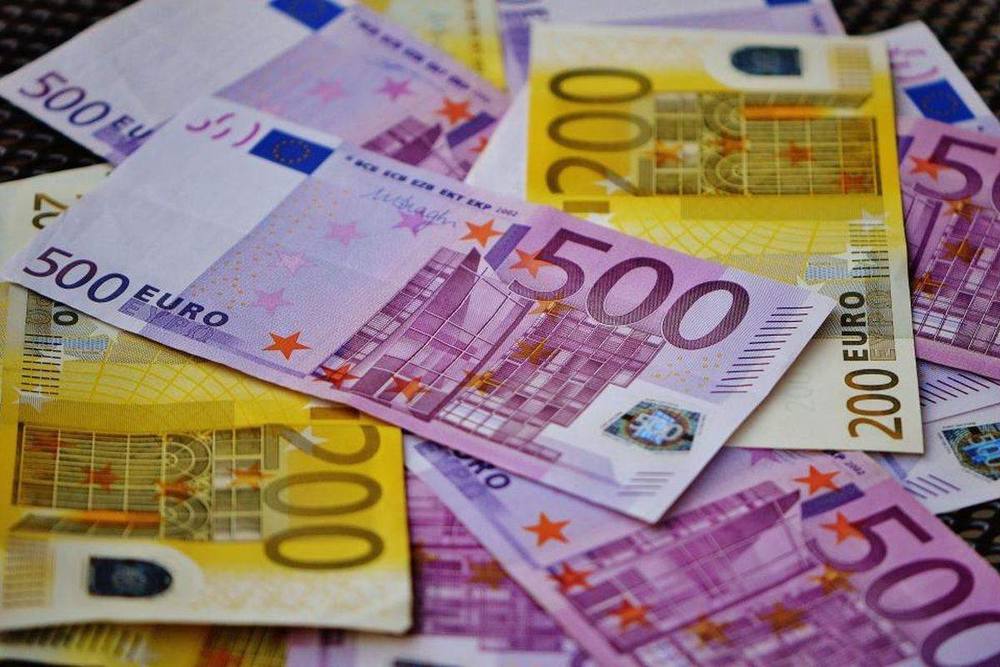
US dollars and euros are the closest thing to a universal currency in Thailand. Every licensed shop takes them, every shop competes on them, and the spread at a good Bangkok shop can be under half a percent. Large-denomination notes are handled without hesitation.
If you are coming from a country whose currency is awkward in Thailand, buying dollars or euros at home first and changing those in Thailand is frequently cheaper than bringing your own currency — even after paying a spread twice.
Tier 2: major but slightly wider
British pounds, Japanese yen, Swiss francs, Australian dollars, Singapore dollars and Hong Kong dollars are handled everywhere in tourist areas and in Bangkok. Spreads are a little wider than USD/EUR but still reasonable. Chinese yuan is widely handled, with a noticeably wider gap between large and small notes.
Tier 3: accepted, but shop around
Korean won, Taiwan dollars and Malaysian ringgit are handled by the larger operators and in the right tourist areas, but not by every booth. Spreads are wider and vary more between shops, which is precisely when comparing is worth the effort.
Tier 4: limited and expensive
Russian roubles are taken in Pattaya and Phuket, where there is a steady rouble flow, and by some large Bangkok shops. Elsewhere, often not at all. The spread is several times wider than on dollars.
Indian rupees, Vietnamese dong, Indonesian rupiah and Philippine pesos are handled by big operators in Bangkok, rarely elsewhere, at wide spreads.
Lao kip and Myanmar kyat are essentially border-town currencies. Nong Khai, Mukdahan, Mae Sot and Mae Sai trade them; Bangkok mostly does not.
Practical conclusions
- If your home currency is tier 1 or 2, bring it. Adding a conversion at home just adds a spread.
- If it is tier 3 or 4, consider bringing dollars or euros instead, or plan to use a card and withdraw baht.
- Always bring the largest notes. The denomination penalty is separate from, and stacks with, the currency tier.
- Check per currency, not per shop. The shop with the best USD rate today is frequently not the one with the best JPY or KRW rate. THX ranks shops separately for each currency for exactly this reason.